Whether you're hiking, camping, exploring a new trail, or simply enjoying your backyard, there are plenty of opportunities for your dog to encounter ticks. While a tick bite might seem like a minor annoyance, ticks can spread debilitating diseases to our pets.
Knowing how to identify, remove, and care for a tick bite is an important pet first aid skill. In this post, we'll cover how to check your pet for ticks, how to safely remove one, and what to watch for after a tick bite.
What Are Ticks?
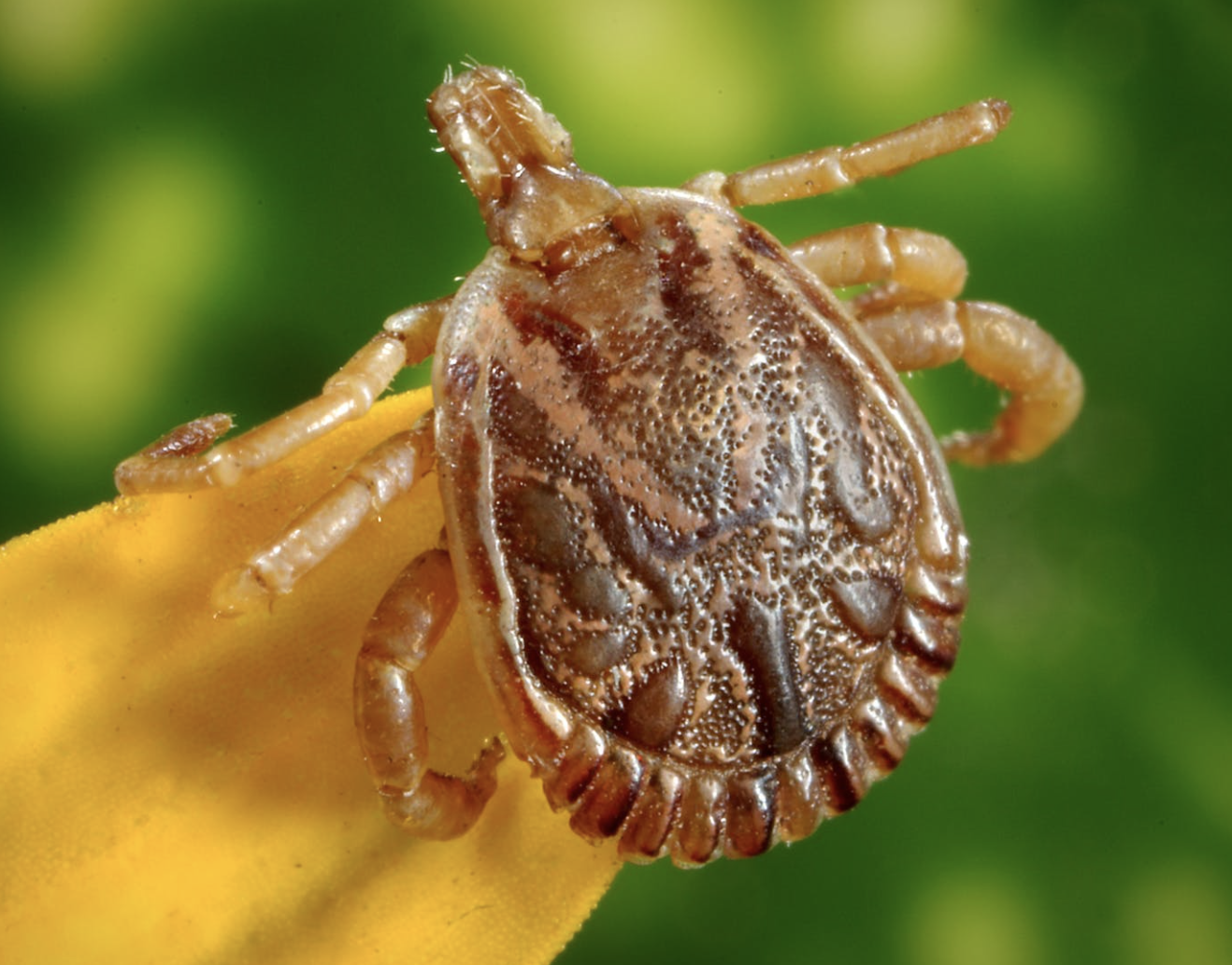
Ticks are small, blood-feeding parasites that are commonly found in grassy areas, wooded environments, brush, and tall vegetation. Ticks can be extremely small, sometimes no larger than the head of a pin, making them difficult to spot.
As ticks feed, they typically become larger (engorged) and easier to see. Depending on the species, ticks can carry diseases such as Lyme disease, ehrlichiosis, anaplasmosis, and Rocky Mountain spotted fever. Some species can also cause a condition called tick paralysis, where toxins produced by the tick affect the nervous system and can lead to weakness or paralysis.
While ticks are often more active during warmer months, they can be encountered year-round depending on your location and environmental conditions.
Where to Look for Ticks
Ticks can attach anywhere on your pet's body, but there are a few areas where they are commonly found. When checking your pet, be sure to look closely:
- Inside and around the ears
- Around the eyes and eyelids
- Under the collar, harness, boots or other clothing
- Around the neck and shoulders
- Armpits and groin
- Between the toes and paw pads
- Under the tail and around the tail base
For long-haired pets, running your fingers through their coat can help you feel for small bumps that might otherwise be hidden. A brush or comb can also be helpful.
Remember: Don't just check your pet after hiking or camping! Ticks can be found in backyards, neighborhood parks, and other places our pets visit every day. Make looking for ticks part of your normal daily exam.
How to Remove a Tick
If you find an attached tick, the best thing you can do is remove it as soon as possible. The longer a tick remains attached, the more likely it is to transmit disease.
You'll need:
- Fine-tipped, metal tweezers (you may also use a commercial tick removal tool if you prefer)
- Disposable gloves
- Soap and water or an antiseptic wipe if water is not available
Step-by-step tick removal:1. Put on gloves. Ticks can carry diseases that affect humans, too. Avoid handling them with bare hands if possible. If gloves are not available, wash your hands well after the task.
2. Part the fur. Move the hair away from the tick so you can clearly see where it is attached to the skin.
3. Grasp the tick. Using tweezers, grasp the tick as close to your pet's skin as possible.Be gentle so you don’t squish the tick or break off the mouthparts in your pets skin.
4. Pull gently and steadily. Pull straight upward with slow, even pressure until the tick releases. Avoid twisting, jerking, or crushing the tick.
5. Clean the area. Once the tick is removed, clean the bite area with soap and water or an appropriate antiseptic. Wash your hands thoroughly and clean your tweezers.
If you are unable to remove the tick completely and the mouthparts remain embedded, don't dig into your pet's skin trying to retrieve them. If they cannot be easily removed with clean tweezers, leave them alone and allow the skin to heal. Contact your veterinarian if the area becomes irritated or infected.
What NOT to do:
There are plenty of home remedies floating around for tick removal, but many of them can actually make things worse. Avoid:
Applying petroleum jelly, oils, or nail polish to suffocate the tick.
Using a hot match or other heat source to make the tick detach.
Pouring rubbing alcohol directly onto an attached tick.
Squeezing, crushing, or twisting the tick while it is attached.
Using tweezers in the ear or around the eye as if your pet suddenly moves, they can become injured by the tool
These methods can irritate the tick and potentially increase the amount of saliva it releases into your pet which can further increase the risk of disease transmission.
What to Watch for After a Tick Bite
Some pets may develop redness, swelling, or irritation around the bite site. Monitor the area for signs of infection, including increasing redness, discharge, or tenderness.
Some tick-borne diseases can take days or even weeks to produce noticeable symptoms. Watch for:
- Lethargy or unusual tiredness
- Loss of appetite
- Fever
- Limping, joint pain, or stiffness
- Swollen joints
- Unusual bruising or bleeding
- Changes in behavior
- Weakness or difficulty walking
If your pet develops any of these symptoms after a tick bite, contact your veterinarian.
You should also contact your veterinarian if you find many ticks your pet, cannot safely remove a tick, or find one in a particularly sensitive area such as the eyelid or inside the ear.
Preventing Tick Bites
While we can't always avoid ticks, there are several ways to reduce the risk of your pet picking them up.
1. Use a veterinarian-recommended tick preventative. There are several products available to help prevent tick infestations. Talk with your veterinarian about which product is appropriate for your pet, age, species, and lifestyle. Be especially careful with products intended for dogs, as some can be toxic to cats. Do not use grocery or pet store products as some of them contain dangerous chemicals that have killed or seriously injured animals.
2. Check your pet daily. Get into the habit of checking your pet for ticks after spending time outdoors. A quick once-over can help you catch ticks before they've been attached for long.
3. Stay on established trails. When hiking or walking outdoors, try to avoid tall grasses, thick brush, and overgrown vegetation where ticks are commonly found.
4. Maintain your yard. Keep grass trimmed, remove leaf litter, and clear excess brush around areas where your pets spend time.
Conclusion
Ticks are a common outdoor hazard, but knowing how to respond can make a big difference in protecting your pet. Keeping a pair of tweezers or a commercial tick removal tool in your pet first aid kit is a great way to make sure you're prepared when you need it.
Remember, removing a tick is only the first step. Continue monitoring your pet for changes in behavior, appetite, or physical condition, and don't hesitate to contact your veterinarian if something seems off.
For more information on ticks, check out this: https://www.cdc.gov/ticks/about/index.html